When an aging parent refuses assistance with daily tasks, family members often feel frustrated, worried, and unsure of what to do next. This situation is more common than many families realize. Understanding why seniors refuse help is often the first step toward finding solutions that protect both dignity and well-being. With patience, empathy, and open communication, families can better support loved ones through these emotional transitions.
The Deep Connection Between Independence and Identity
For many older adults, independence is closely tied to personal identity and self-worth. After decades of caring for themselves and others, accepting support can feel like giving up control or admitting decline. This emotional connection helps explain why a parent won't accept assistance, even when loved ones clearly see growing challenges.
Many older adults also worry that accepting help with one task could eventually lead to losing control over other decisions. While these fears may not reflect reality, they feel very real to the person experiencing them. Understanding senior independence concerns allows families to approach conversations with more compassion and less frustration.
Pride and the Fear of Being a Burden
A stubborn aging parent refusing care may also be trying to avoid feeling like a burden. Many older adults grew up valuing self-reliance and may feel embarrassed asking for help with personal care needs or household responsibilities.
Parents often worry about creating financial or emotional strain for adult children. In many cases, they refuse support because they want to protect the people they love. Honest conversations about available resources and support options can help ease these fears. Families often discover that accepting help actually improves relationships by reducing stress and preventing emergencies.
Recognizing Cognitive Changes and Their Impact
Sometimes, resistance happens because an older adult may not fully recognize changes in mobility, memory, or judgment. Cognitive changes can affect decision-making and awareness of safety concerns. A loved one may forget recent falls, missed medications, or other incidents that signal a need for additional support.
In these situations, families often benefit from involving trusted healthcare professionals in conversations about care planning. Outside guidance may feel less emotional than discussions with family members alone and can help older adults feel more involved in the decision-making process.
The Emotional Reasons Why Mom Says No to Help
Fear is often at the center of why mom says no to help. Common concerns may include:
- Worry about leaving familiar surroundings or daily routines behind
- Fear of losing treasured belongings or privacy
- Anxiety about depending on others for personal care needs
- Negative perceptions based on stories from friends or relatives about senior living communities
The grief that comes with aging can also influence decision-making. Each new accommodation may feel like another reminder of lost abilities. Overcoming resistance to personal care often means acknowledging these emotions instead of dismissing them.
Building Trust With Small Steps
Families often have more success when support is introduced gradually rather than all at once. Starting with help for a few specific tasks can allow older adults to experience the benefits of support while still maintaining a sense of control.
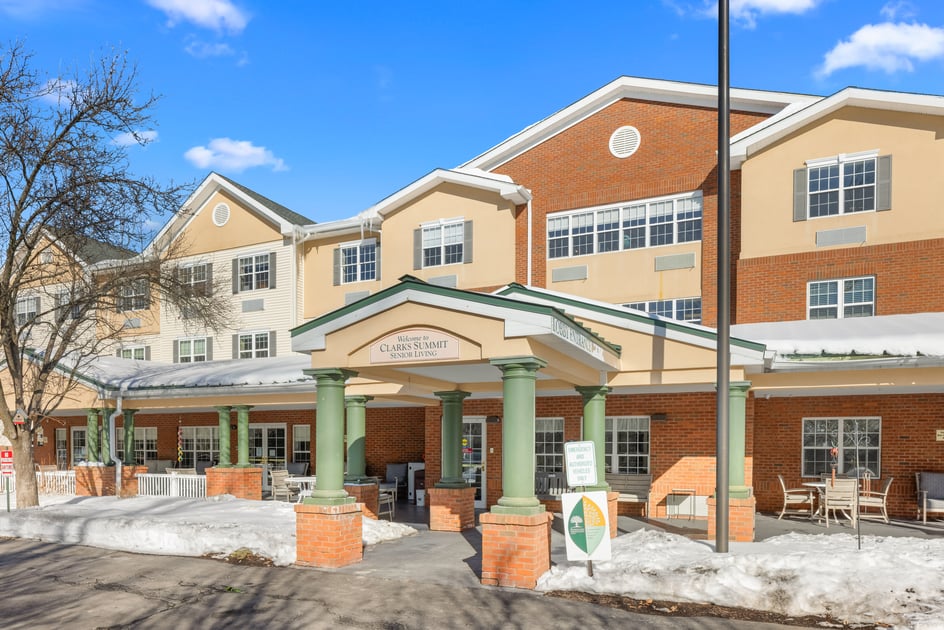
Personal Care residents at Clarks Summit Senior Living enjoy individualized support while continuing to make choices about their daily routines. Comfortable gathering spaces, restaurant-style dining, wellness programs, and scheduled events create opportunities for connection without sacrificing privacy or dignity.
Finding the Right Balance Between Safety and Autonomy
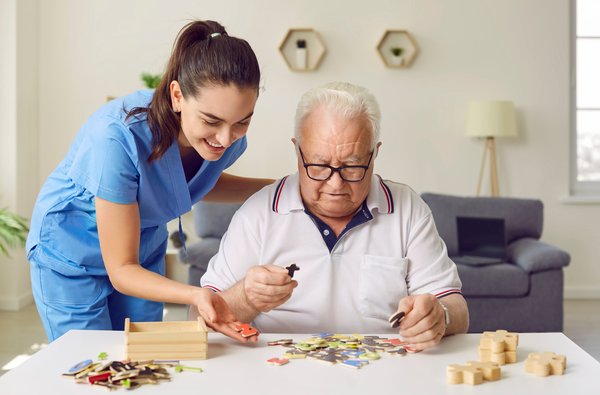
The goal is not to force someone into accepting help. Instead, families can focus on finding solutions that support safety while respecting personal preferences. Sometimes, older adults feel more comfortable receiving assistance from trained professionals rather than family members for sensitive tasks.
The focus at Clarks Summit Senior Living remains on helping residents maintain choice, comfort, and meaningful daily routines while receiving thoughtful Personal Care support. Understanding why seniors refuse help allows families to approach these conversations with greater empathy and confidence. This way, you can create a path forward that respects both independence and well-being.
A Personal Care community that feels like home at Clarks Summit Senior Living. Schedule a personalized tour to learn how we can support your family.